Eleven manufacturing SMEs in Finland told researchers exactly where energy optimisation breaks down. I designed four concepts around what they said.
Role
User Experience Designer
Duration
2023 to 2025
Funding
Co-funded by the EU
Output
4 concepts, 1 published paper
Overview
Most SMEs are not refusing to go green. They are stuck.
Enertelligence is a two-year project co-funded by the European Union, run out of Vaasa University of Applied Sciences, studying why manufacturing SMEs in Ostrobothnia, Finland struggle to optimise their energy use even when they want to.
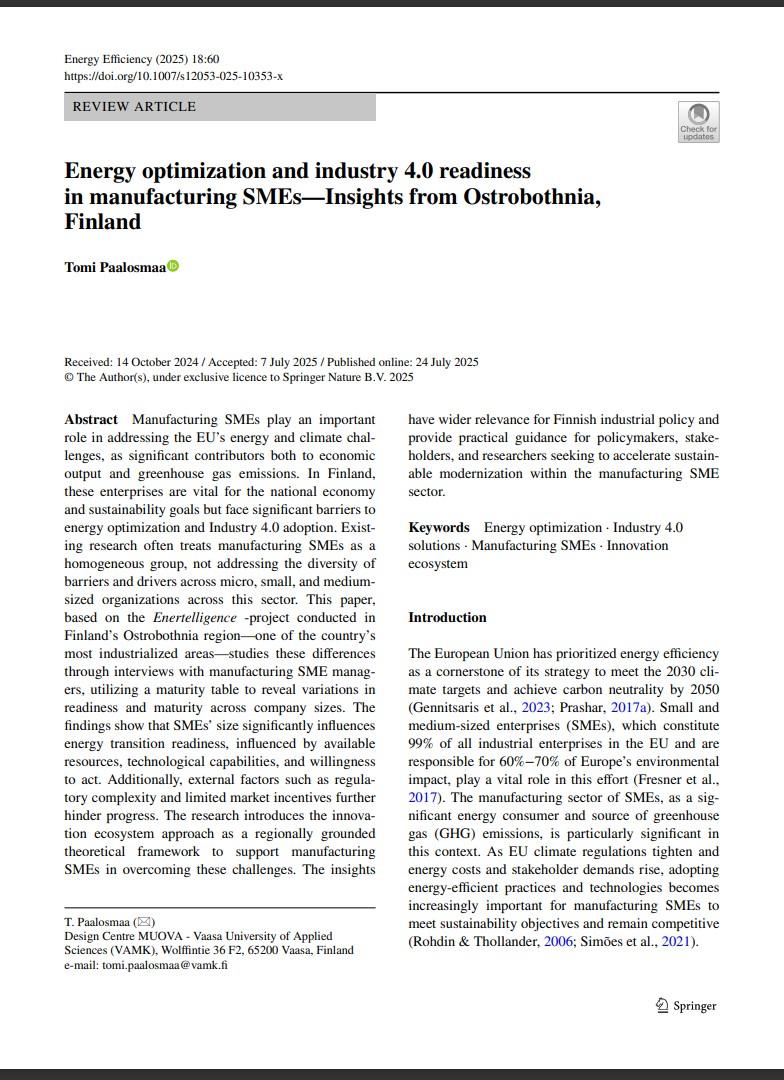
Researchers Tomi Paalosmaa and Asko Uuras led the academic side: interviewing 11 manufacturing SMEs, analysing the transcripts, and eventually publishing their findings in the peer-reviewed journal Energy Efficiency. My role started where theirs handed off. I took those research findings and designed the digital concepts meant to actually act on them.
A note on credit. The interviews, coding, and academic publication shown on this page were led by Tomi Paalosmaa and Asko Uuras at VAMK. I designed all four concepts independently, based on their findings.
233,618€
total project budget
11
SMEs interviewed in depth
30+
companies involved overall
4
concepts designed
Research
The same barrier wears a different face depending on company size.
The research's core insight was simple but easy to miss: existing literature treats SMEs as one homogeneous group. In practice, a 6-person workshop and a 200-person manufacturer face completely different versions of the same problem.
What pulls companies toward optimisation
Energy savings of 10 to 40 percent and lower operating costs
Regulatory pressure and climate compliance goals
Competitiveness and long-term market positioning
Brand value and stakeholder or community expectations
What holds them back
High upfront costs and long, uncertain payback periods
Low awareness and limited in-house expertise
Renting rather than owning facilities, blocking infrastructure investment
Complex, unclear regulatory and incentive structures
Three companies, three different starting points
The maturity table that came out of this research plotted micro, small, and medium SMEs across five themes, from energy monitoring to financial readiness. The pattern that emerged shaped every concept I went on to design.
Micro · Under 10 employees
Initial
Energy efficiency is seen mainly as a cost problem. No systematic monitoring, no Industry 4.0 tools, and real financial and staffing constraints.
Small · Under 50 employees
Developing
Genuine interest in saving energy, but payback time anxiety dominates every decision. Rented facilities often block bigger investments.
Medium · Under 250 employees
Defined to Optimised
Energy optimisation is already a strategic tool, not a cost center. Real-time monitoring and renewable adoption are well underway.
That divide became the brief. A single tool built for a medium-sized manufacturer would be useless to a six-person workshop, and the reverse was just as true.
Concept 01
EnergyView
Turning an unpredictable electricity bill into a number you can actually plan around.
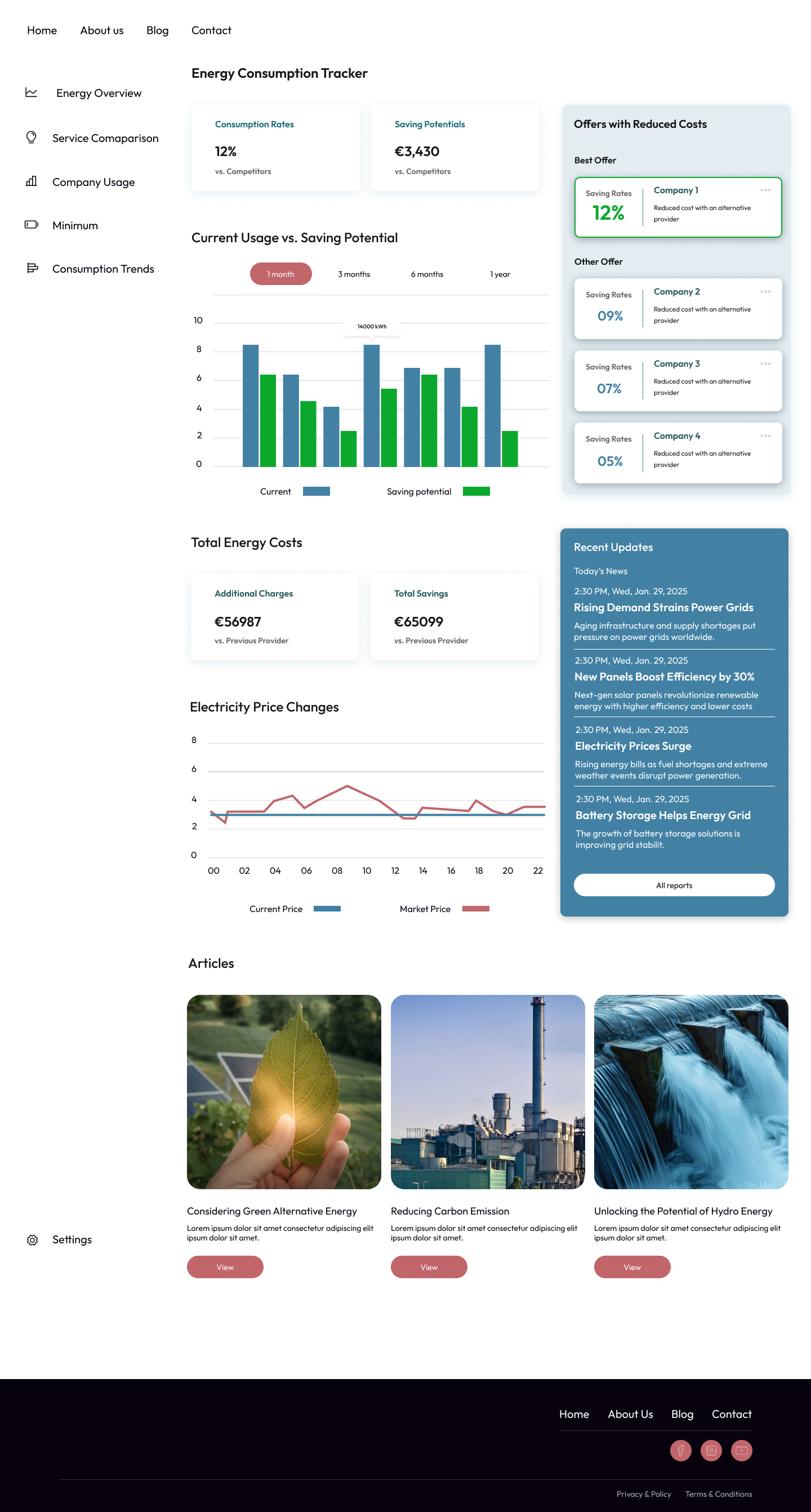
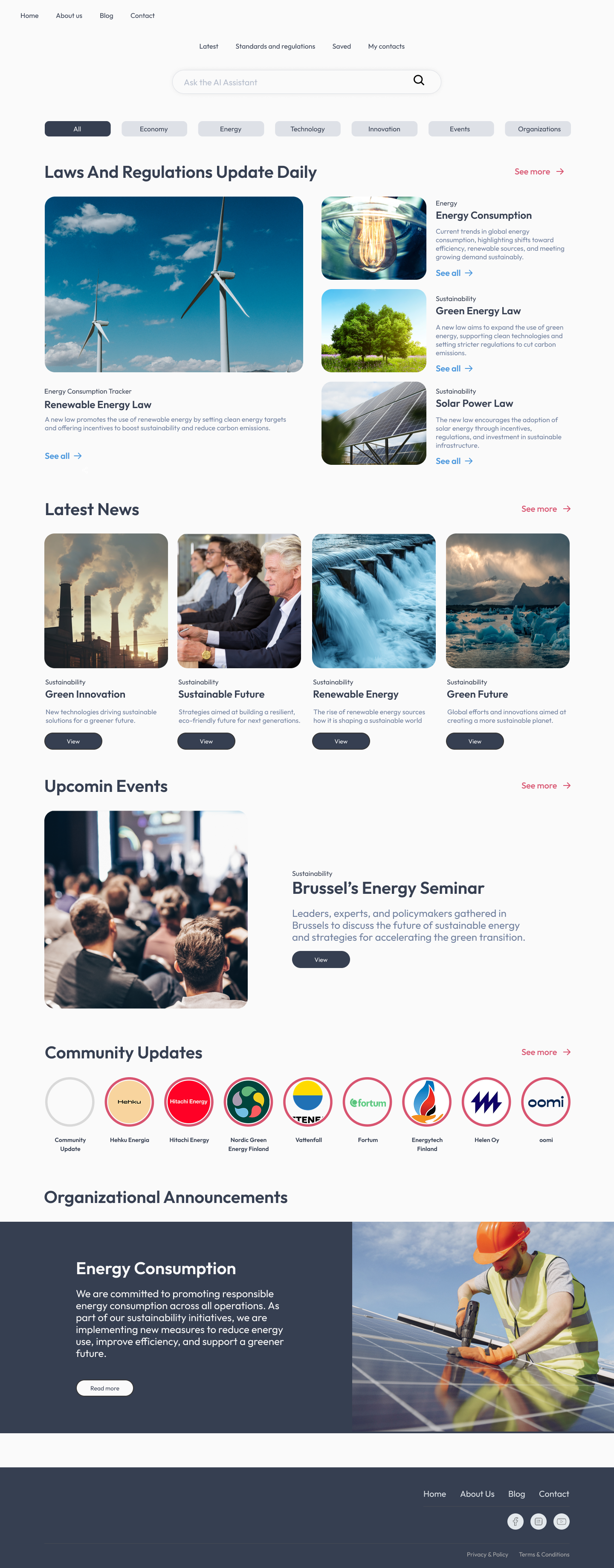
EnergyView tracks hourly electricity prices, analyses usage, and surfaces savings opportunities directly, then goes one step further by facilitating real quotes for better contracts and infrastructure upgrades, so insight turns into action instead of sitting in a dashboard.
Problem
Unpredictable electricity costs
No real insight into consumption patterns
Poor energy management quietly adds to carbon emissions
Solution
Clear, ongoing cost control
Automatic highlighting of savings opportunities
Live price data so operations can adjust in real time
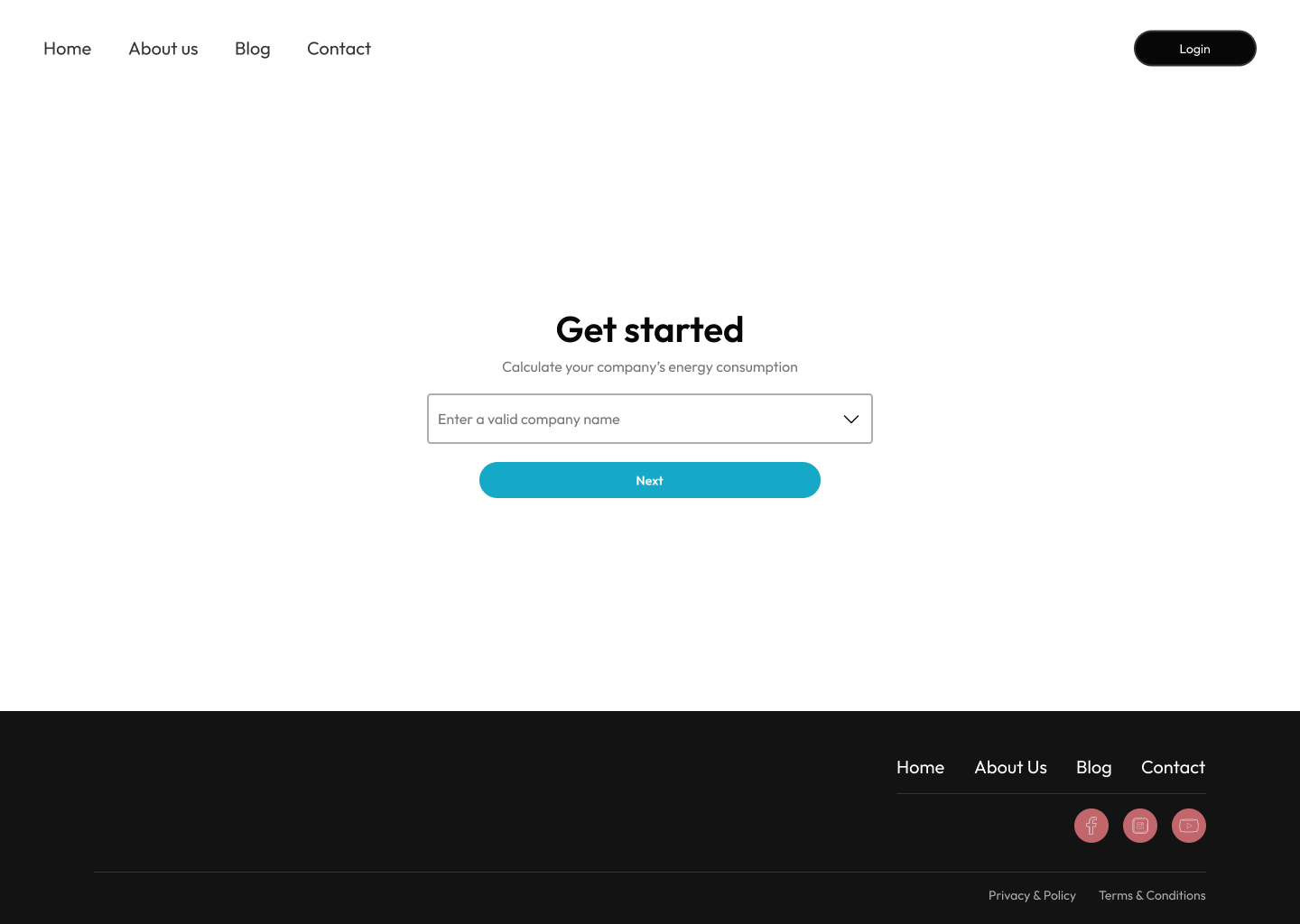
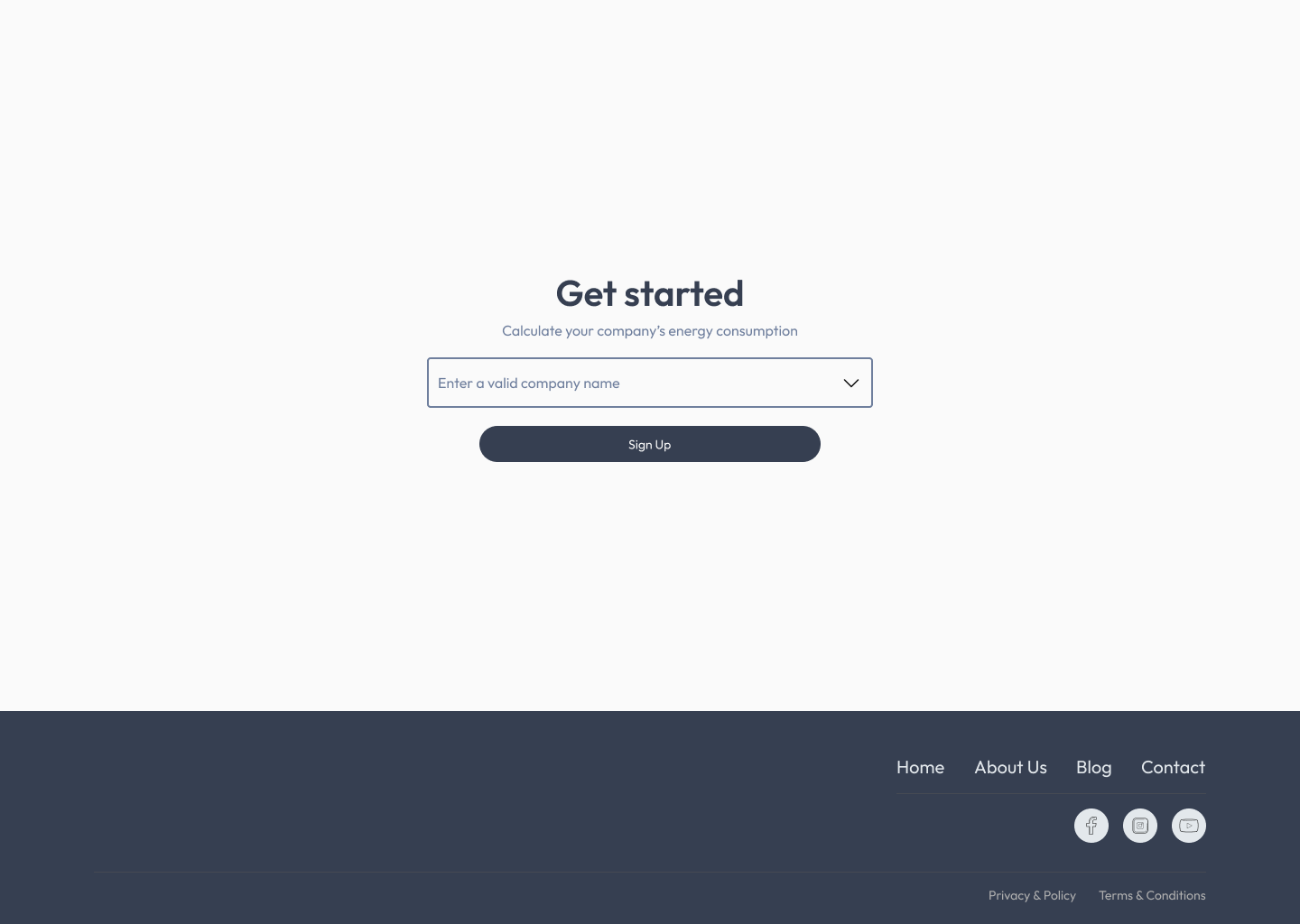
Onboarding: a guided calculator
energyview.app/start
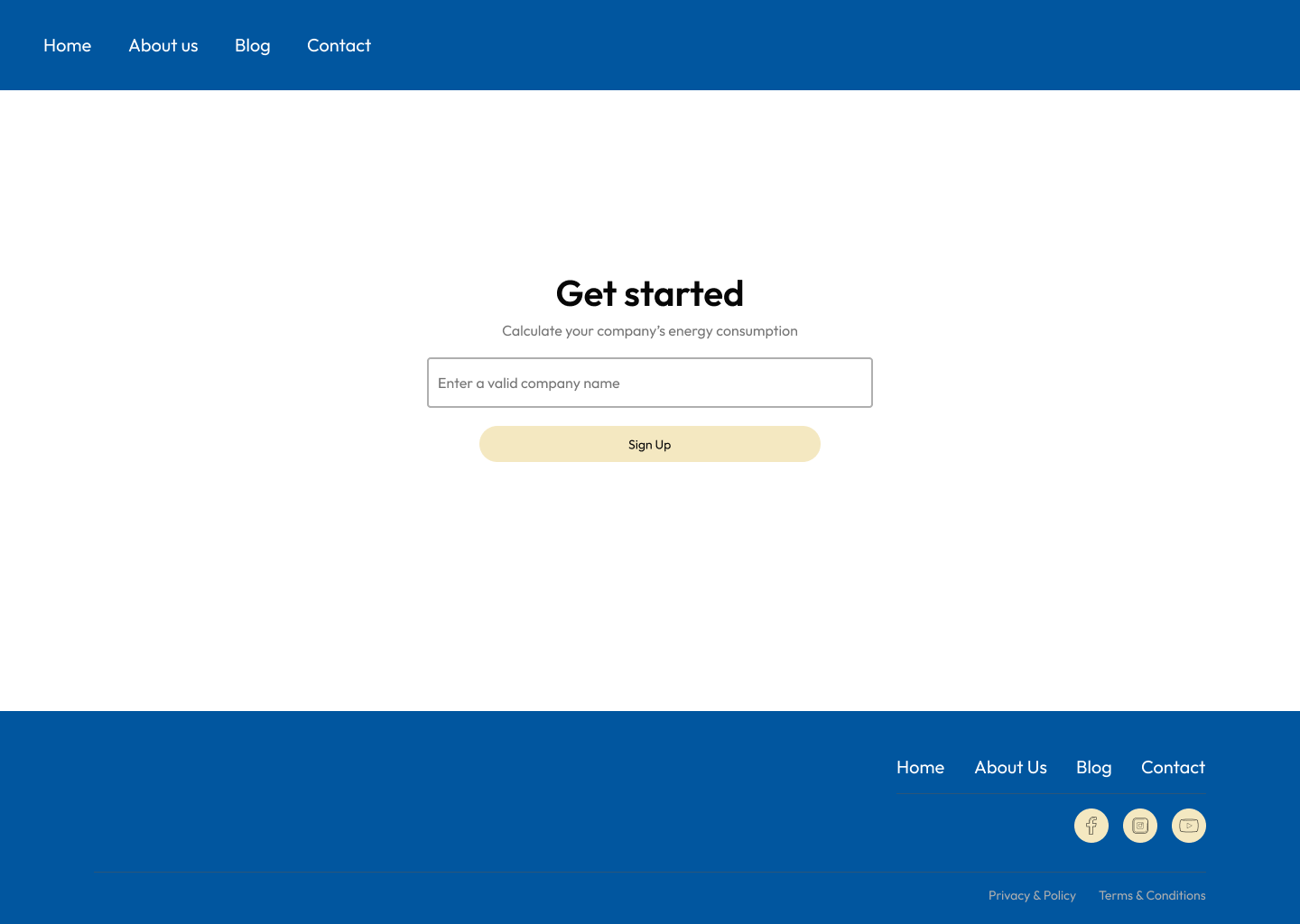
Get startedA company name is all it takes to begin profiling its energy consumption.
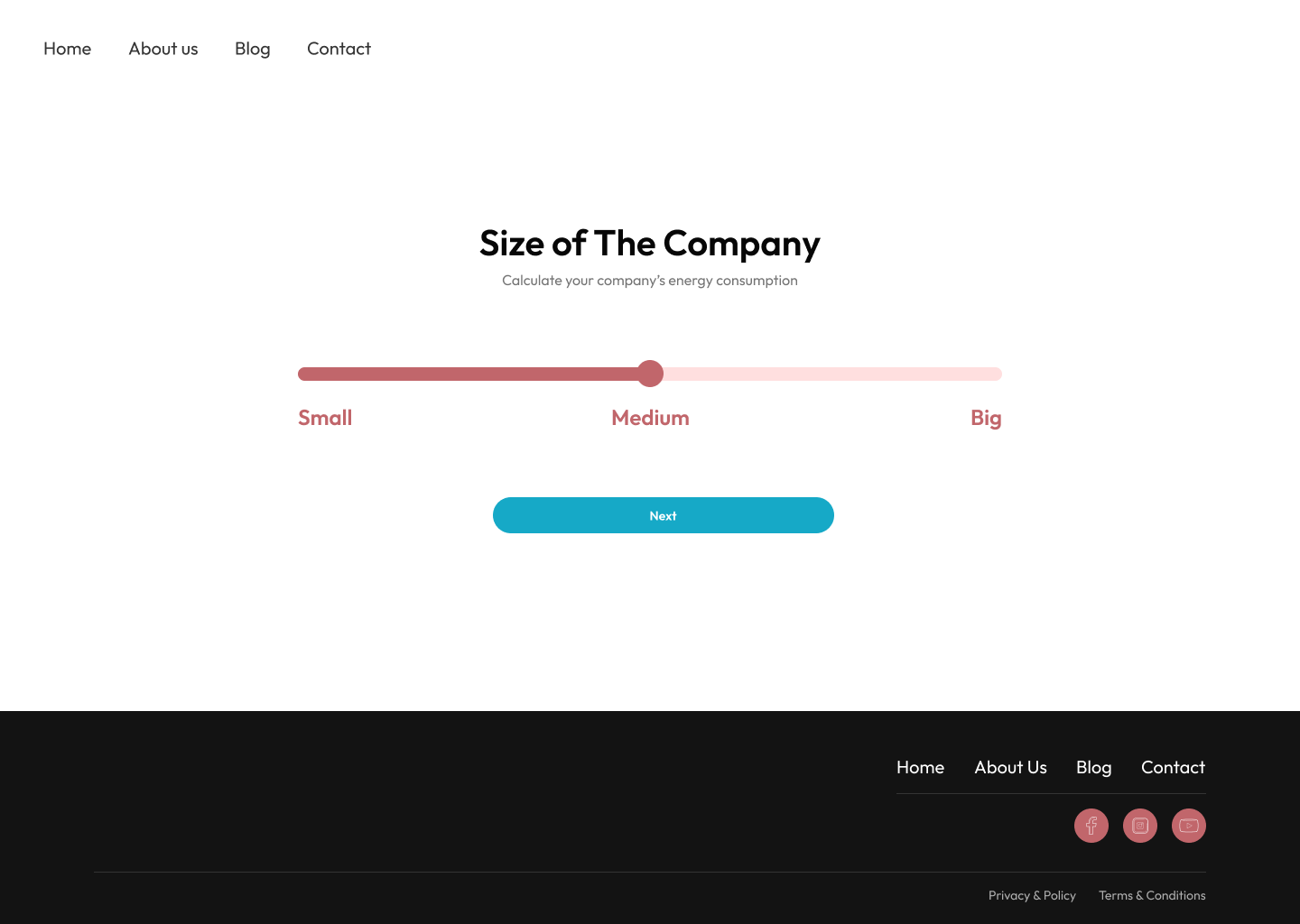
energyview.app/size
Company sizeA small/medium/big slider sets the baseline before any data is shown.
Concept 02
Regulation Guide
Compliance shouldn't require a full-time job nobody on a six-person team can spare.
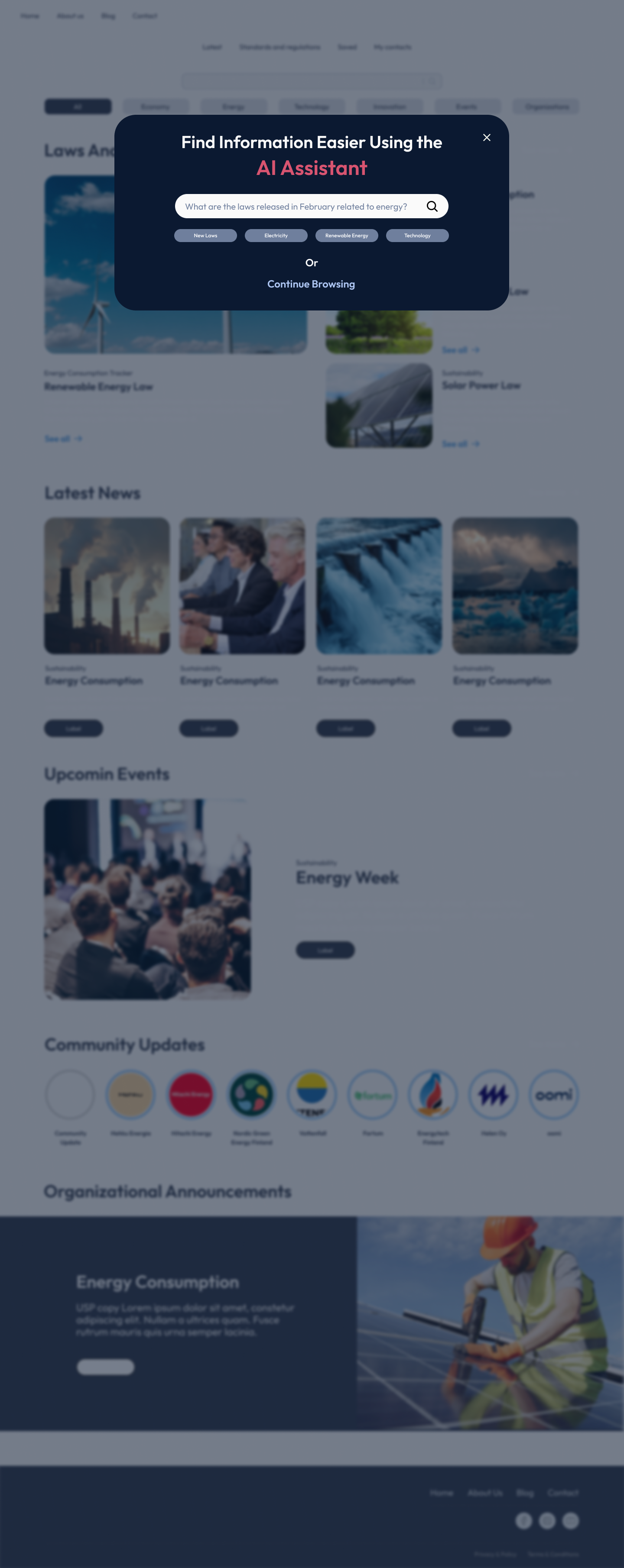
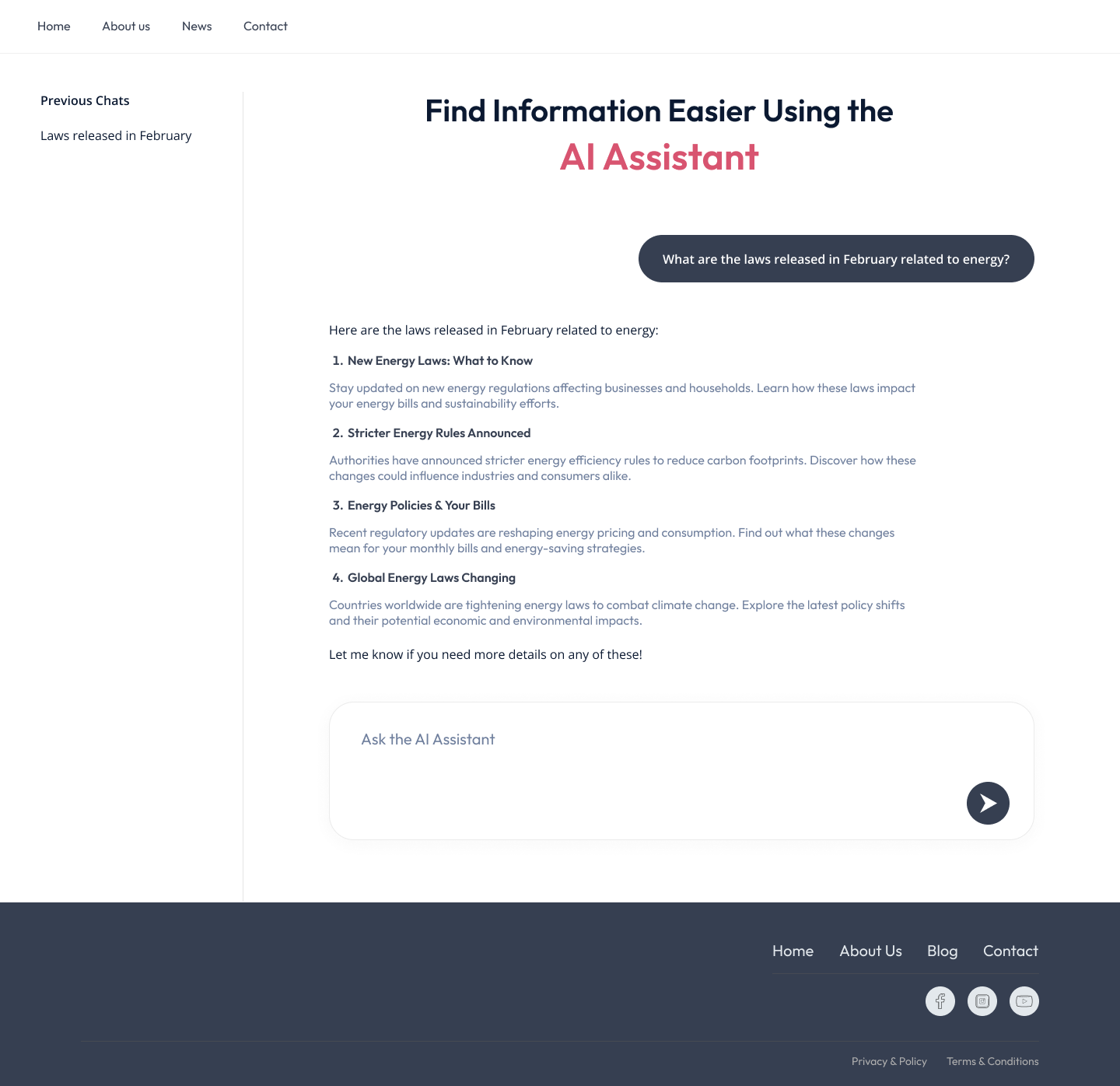
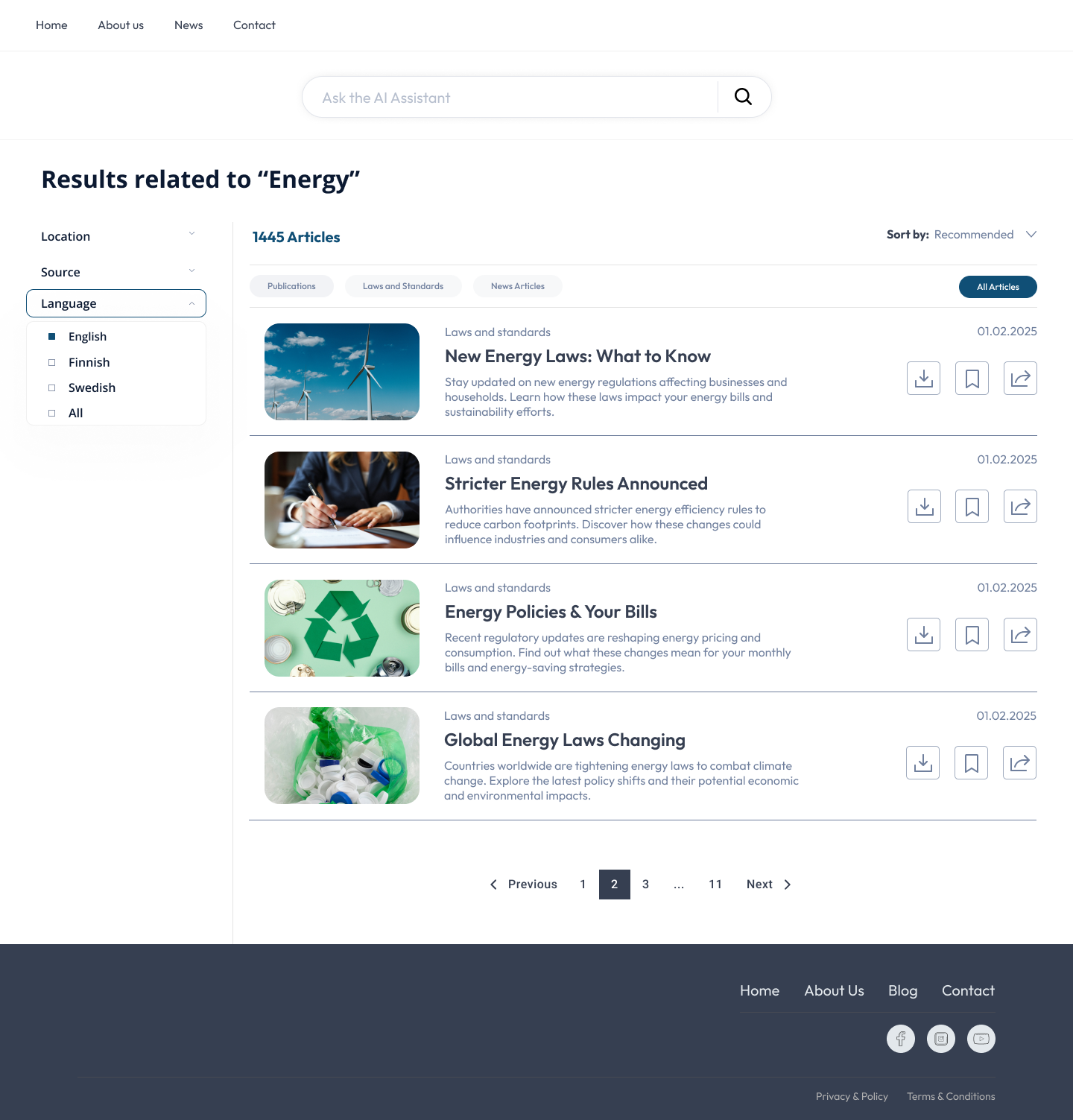
Using a company's own ID, Regulation Guide compiles only the standards relevant to that business, sends timely alerts, and gives plain, actionable next steps. I designed three distinct ways into the same information: an AI assistant for a direct question, keyword search for something specific, or open browsing for someone who just wants to look around.
Problem
Regulations change constantly and are easy to miss
Manual tracking is slow and resource-intensive
Updates often arrive without any clear next step attached
Solution
Automatic compilation based on company ID, no manual research
One platform, all regulatory data in a single place
Easy to share compliance updates across a team
Three ways into the same information
regulationguide.app/assistant
Ask the AI AssistantA direct question returns a summarised, sourced answer with previous chats kept in a sidebar.
regulationguide.app/search
Search & filter1,445 results narrowed by location, source, language, and type, for when you know what you're after.
regulationguide.app/start
Get startedA company name is all it takes to sign up and have the right regulations compiled automatically.
Concept 03
Resource Channel
The drill press sitting idle in one factory might be exactly what the next one over needs this month.
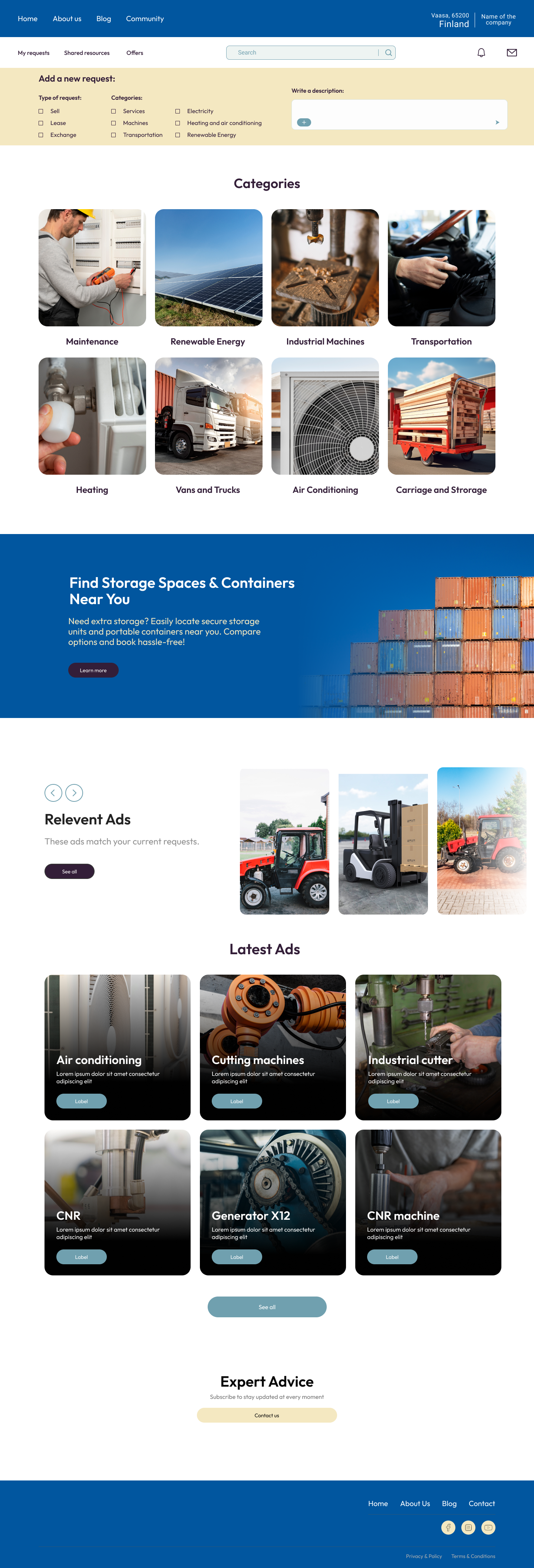
Resource Channel lets regional manufacturers share underused machines, transport, and surplus capacity instead of each buying their own. A simple request form and a map of nearby partners turn an informal favor network into something businesses can actually rely on, with the trust and transparency that takes seriously.
Problem
Underutilised equipment sitting idle across the region
High operational costs from unnecessary new purchases
No easy way to find reliable partners nearby
Solution
Shared assets reduce waste and raise overall efficiency
No need to invest in equipment someone nearby already owns
Builds real business relationships, not just transactions
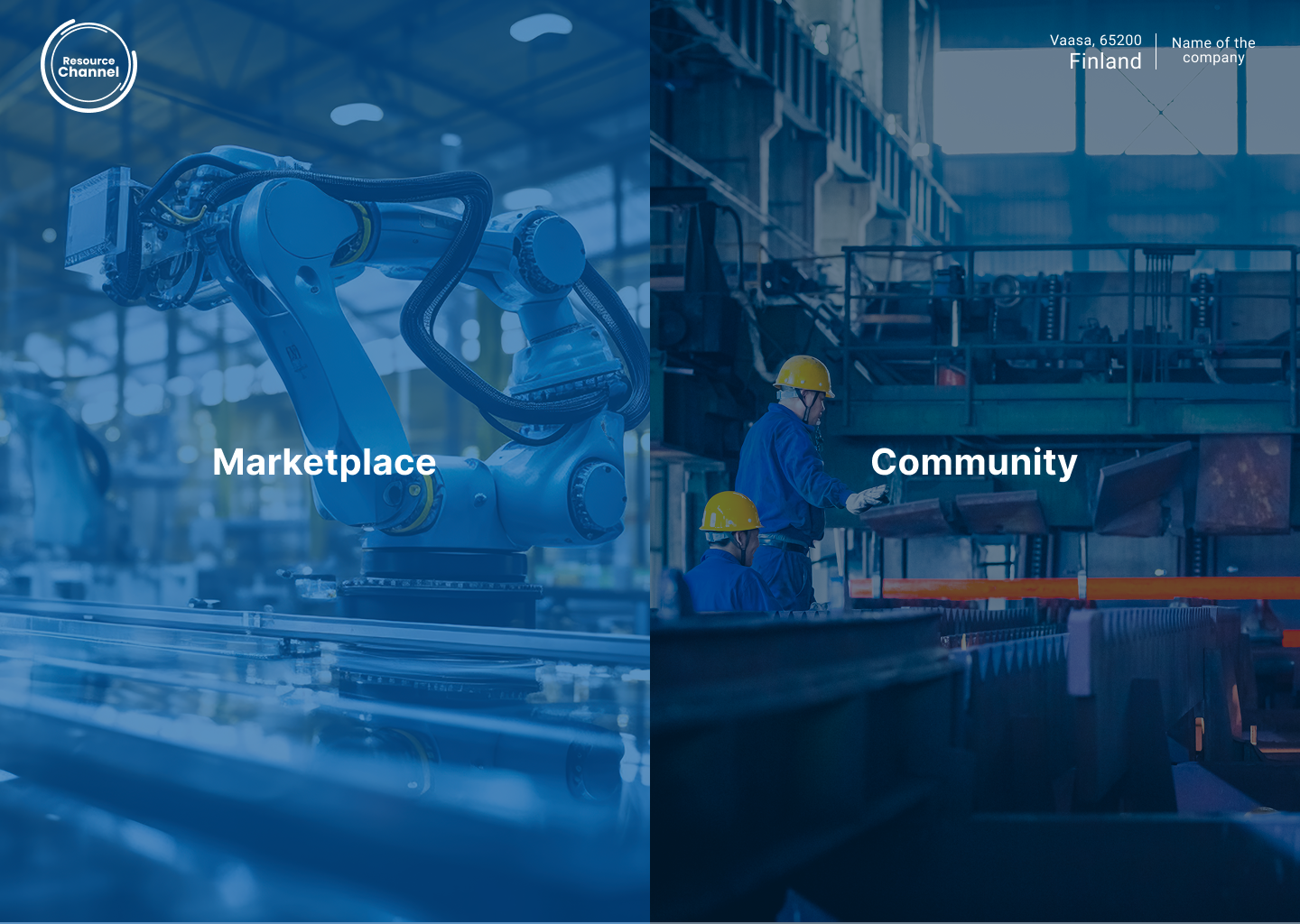
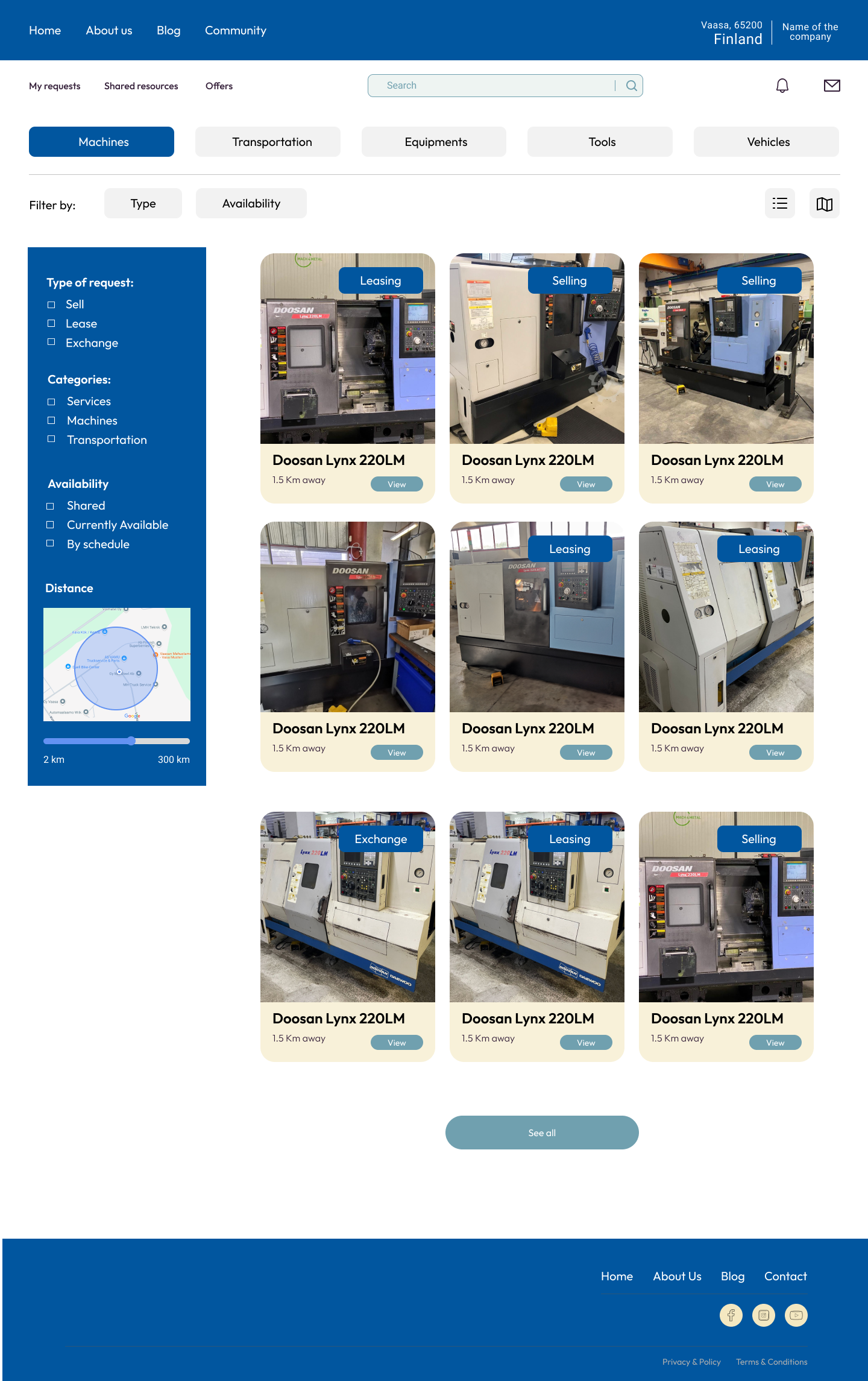
Two halves: a marketplace and a community
resourcechannel.app/marketplace
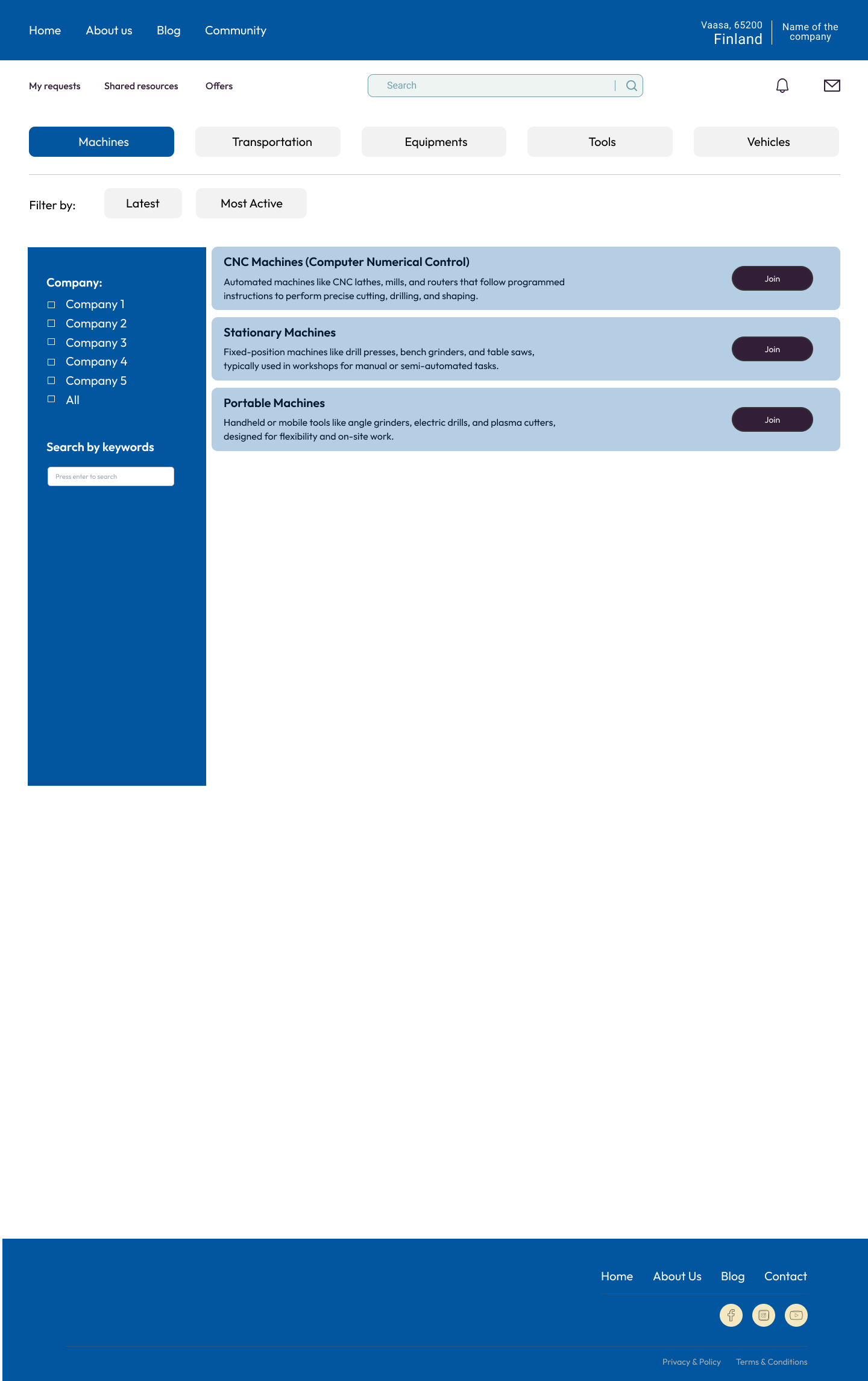
Marketplace listingsMachines, tools and transport to sell, lease, or exchange, filtered by type, availability, and distance.
resourcechannel.app/map
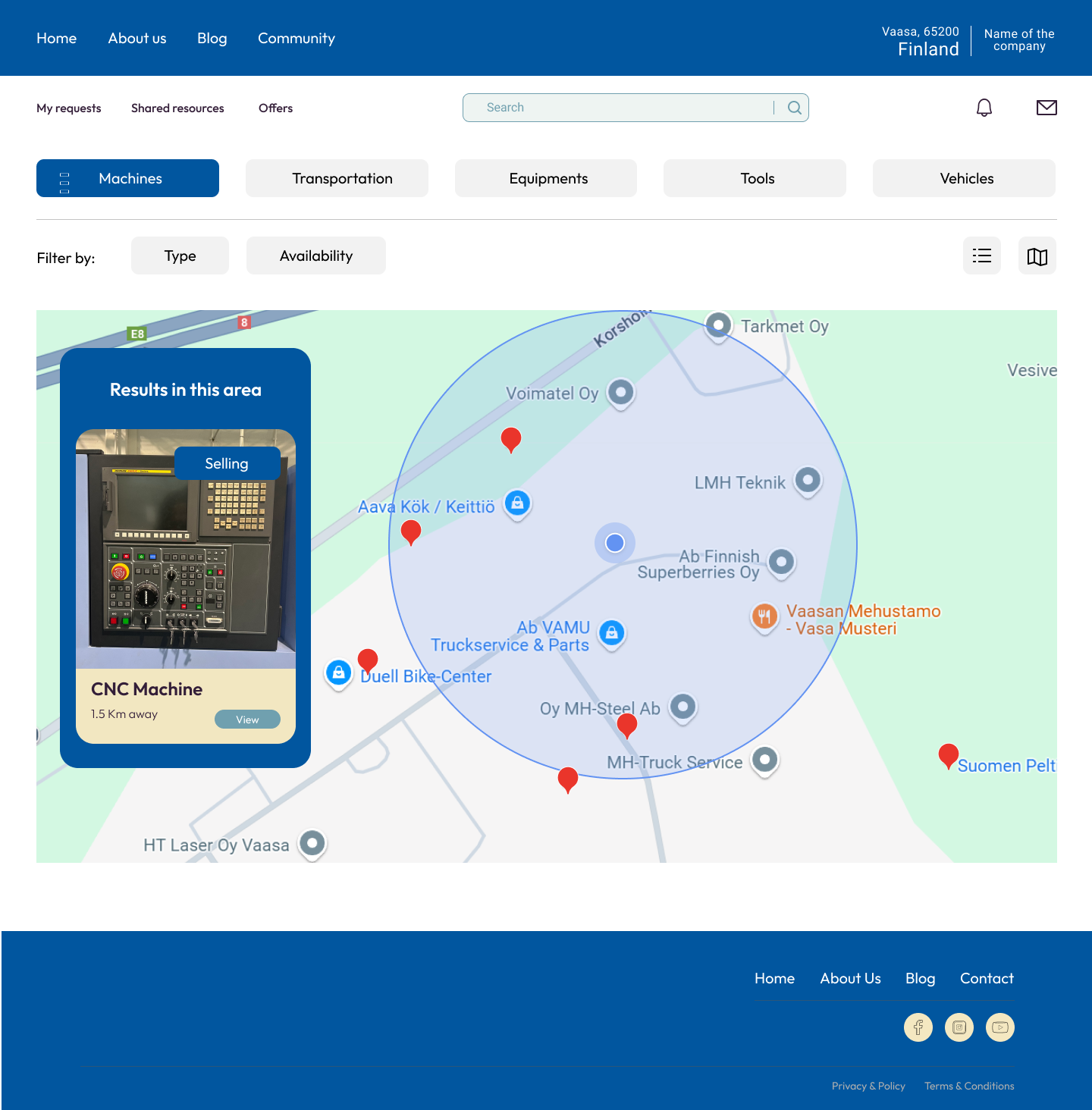
Map viewThe same listings on a map of nearby companies, so proximity is part of the decision.
resourcechannel.app/community
Community groupsTopic and company groups to join, the relationship layer behind the transactions.
Onboarding around location
resourcechannel.app/location
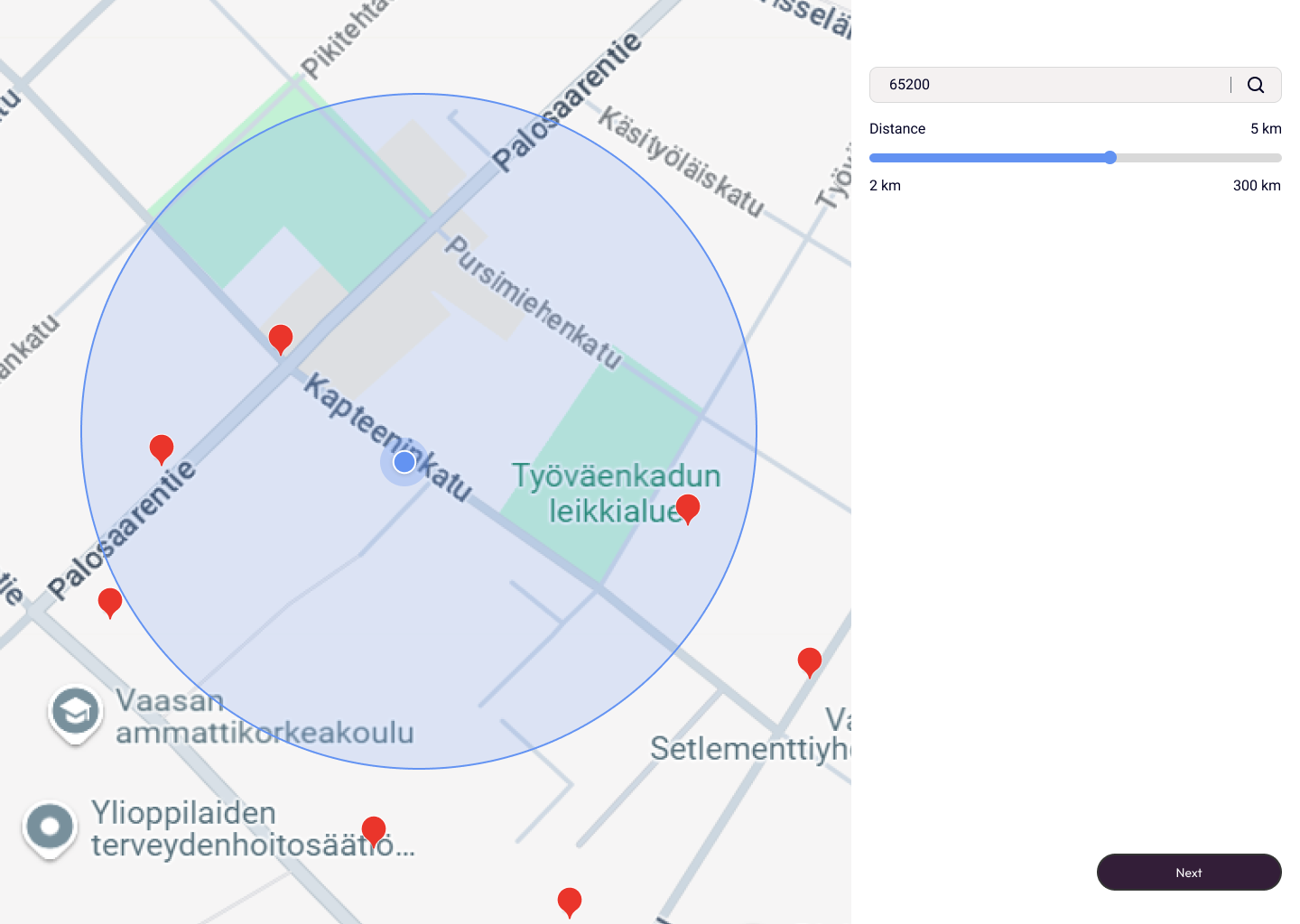
Set your radiusA postcode and a distance slider define the partner network before anything else.
resourcechannel.app/start
Get startedOne company name to sign up and join the regional network.
Concept 04
Energy Walk
Employees usually know exactly where energy is being wasted. Nobody had ever asked them.
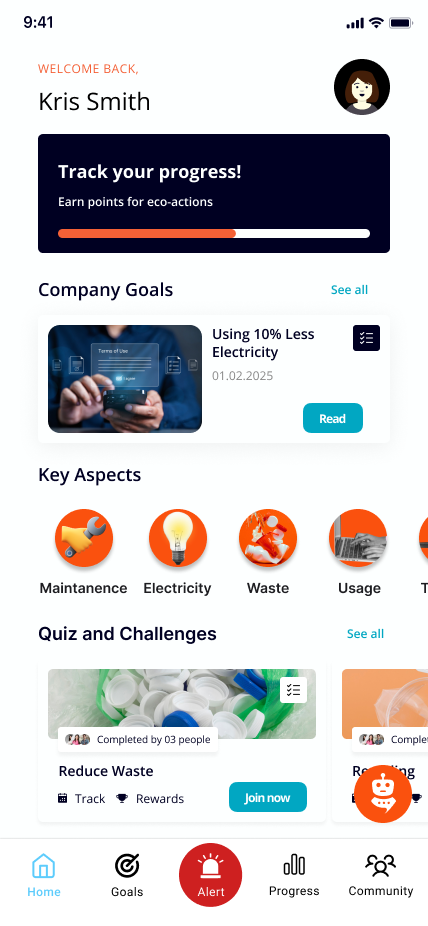
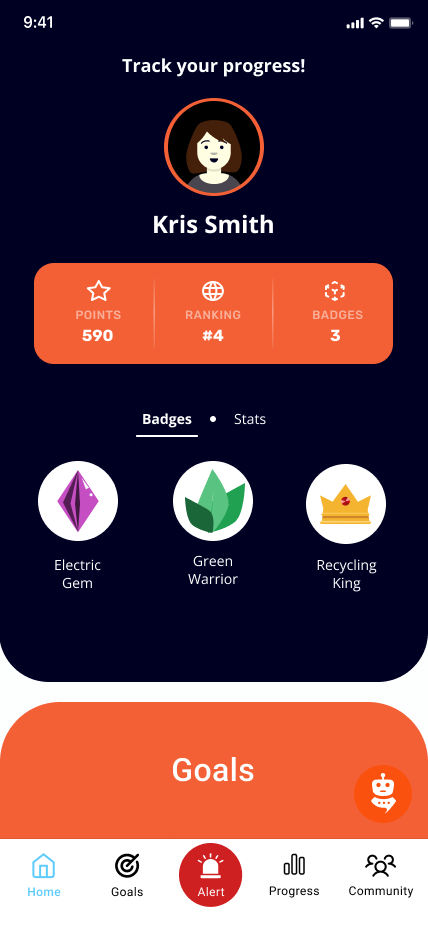
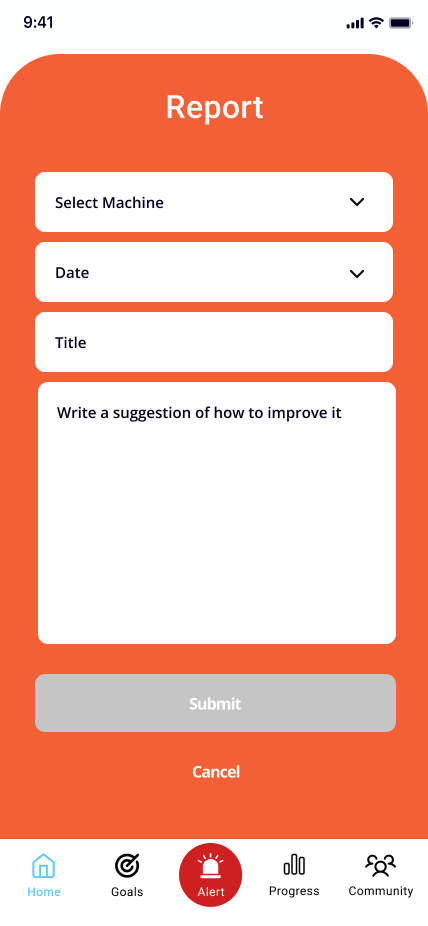
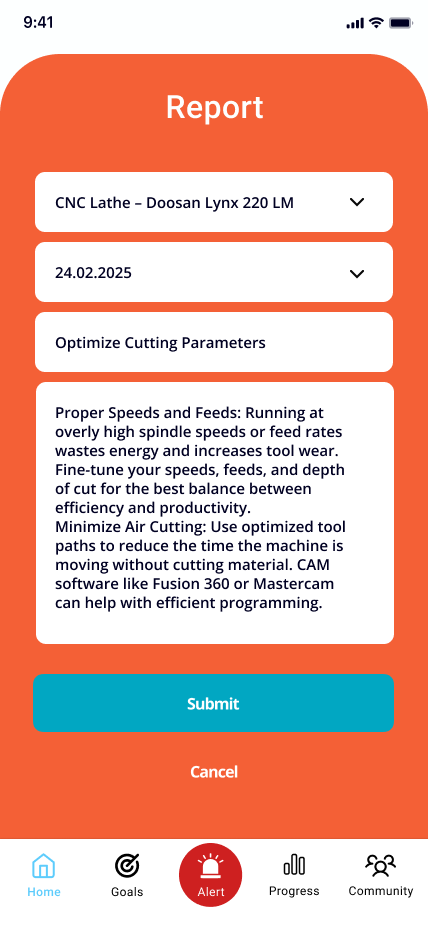
Energy Walk turns the floor staff into active participants rather than bystanders. It ships in two halves: a gamified employee app (“Point Team”) for tracking, challenges, and one-tap reporting from the floor, and an employer dashboard where management sets company goals and watches the reports and savings roll in.
Problem
Employees rarely know the company's actual energy goals
No incentive structure for energy-saving behaviour
Reporting an issue to management is needlessly complicated
Solution
Gamified challenges make saving energy genuinely engaging
Personalised focus areas turn awareness into specific action
Employees can track their own contribution to company goals
For employees, the Point Team app
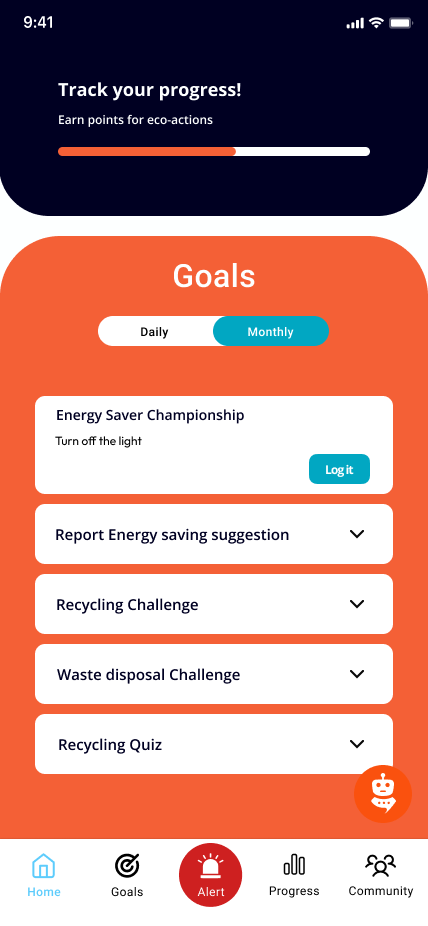
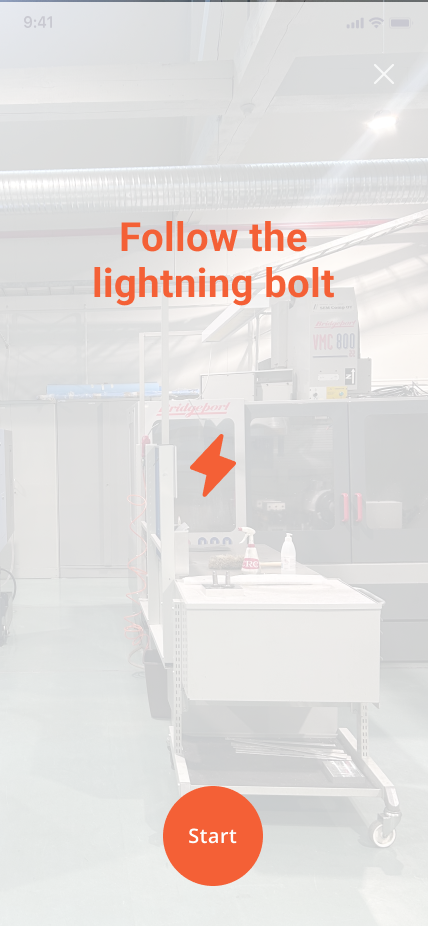
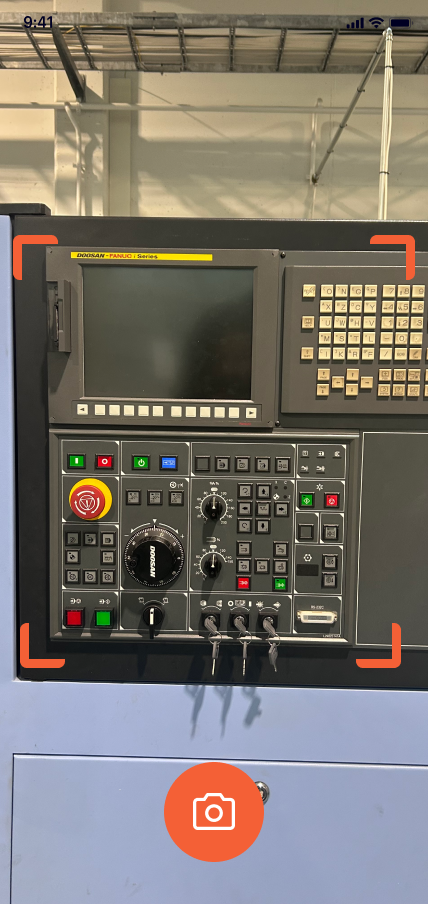
A points-and-badges layer over the daily work: track progress, take on challenges, and flag a wasteful machine with a photo the moment you spot it.
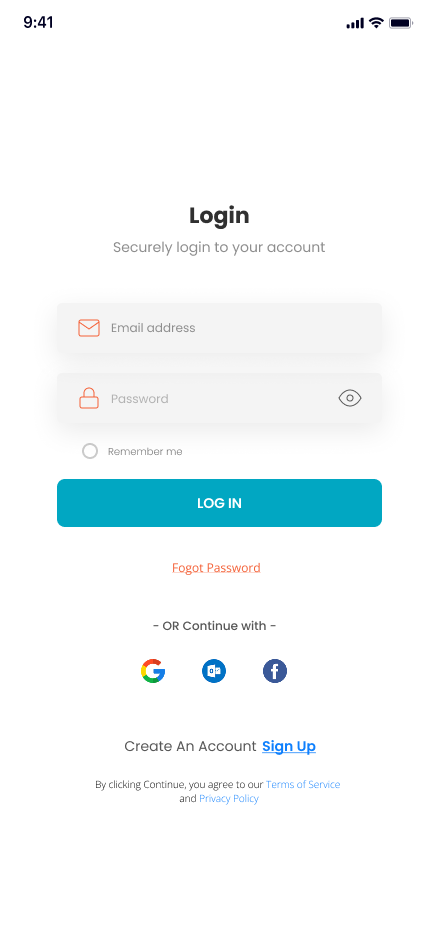
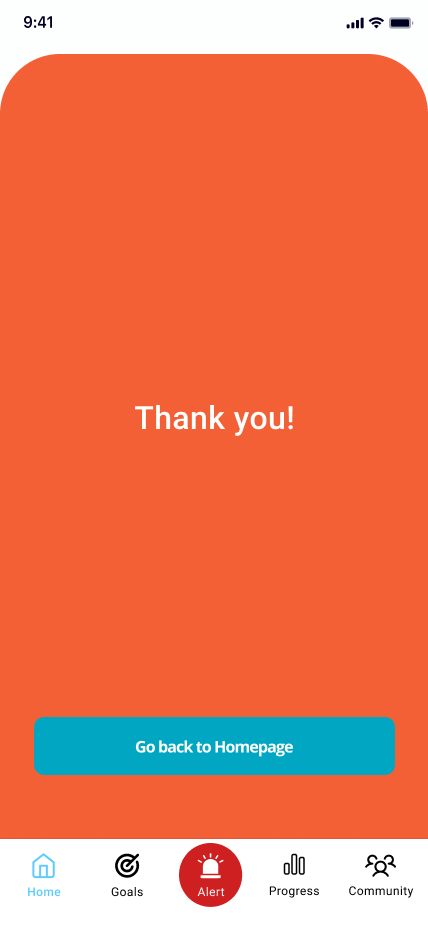
SplashWork smarter, save energyLoginSecure sign-inGoalsDaily & monthly challengesProgressPoints, ranking, badgesAR challengeFollow the lightning boltCaptureFrame the machineReportFlag a wasteful processSuggestAdd a concrete fixThanksReport submitted
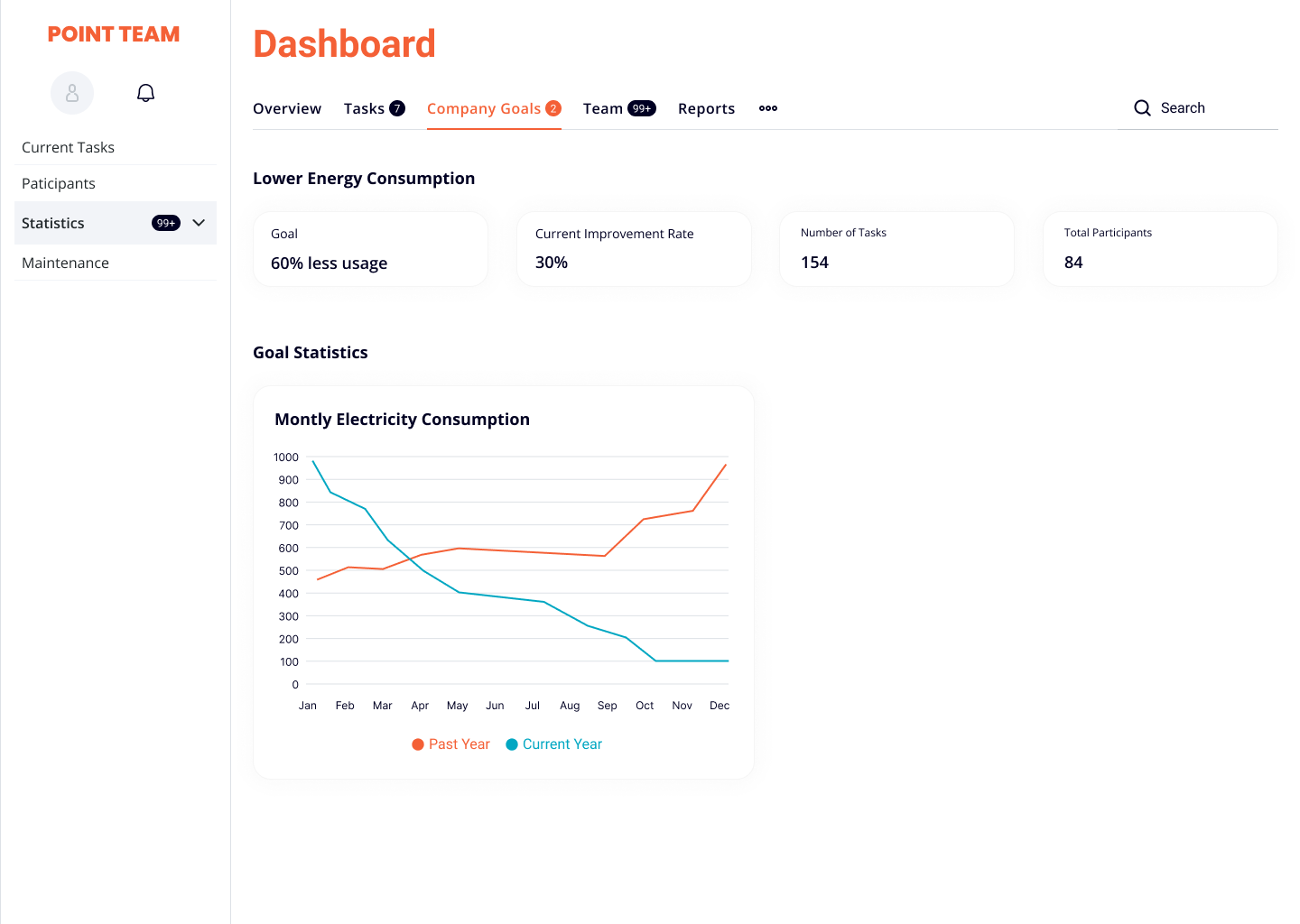
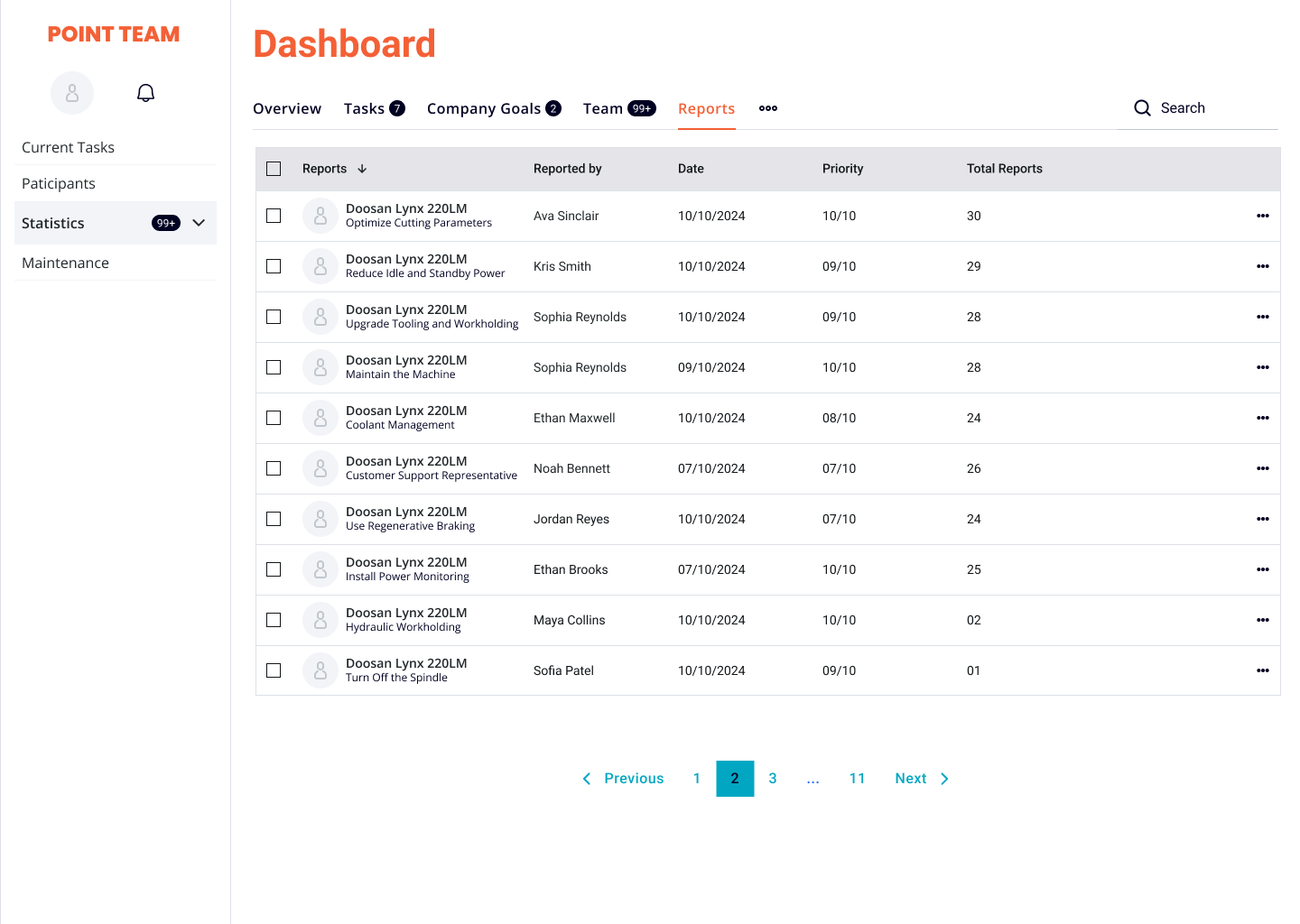
For employers, the Point Team dashboard
The other side of the same system: management sets the targets and reads what the floor is telling them.
pointteam.app/goals
Set company goalsTargets, improvement rate, and a year-over-year consumption chart in one view.
pointteam.app/reports
Read the reportsEvery employee suggestion, ranked by priority and vote count.
Reflection
Designing for a spectrum, not a persona.
"The hardest part wasn't designing any single concept. It was accepting that the same screen would be wrong for at least two of the three company sizes we'd just spent months researching."
The maturity divide in the research could have produced one compromise tool that served nobody well. Instead it produced four focused concepts, each aimed at a different point of friction. That restraint, building several focused things instead of one bloated one, came directly from taking the research seriously rather than rushing past it to the interface.